
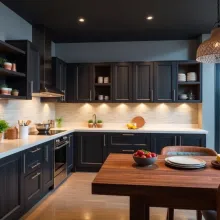
Kerala, with its unique climate and vibrant lifestyle, demands a modular kitchen that seamlessly blends aesthetics, functionality, and durability. Beyond just a cooking space, the kitchen in a Keralite home is often the heart of family gatherings and culinary traditions. Selecting the right modular kitchen, therefore, requires careful consideration of several key factors to ensure it stands the test of time and truly enhances your home.
1. Climate-Conscious Material Selection
The humid climate of Kerala is a primary determinant when choosing materials. Moisture, heat, and even the occasional pest can wreak havoc on lesser quality materials.
- Carcass (Cabinetry): Marine Plywood (IS 710 grade) is highly recommended due to its superior resistance to moisture and termites. While options like HDHMR (High Density High Moisture Resistant) offer good durability and are a popular middle ground, standard MDF or particle board are generally not advisable for the humid conditions.
- Shutters (Door Finishes):
- Laminates: A practical and cost-effective choice, offering a wide range of designs and good durability. Glossy laminates can mimic premium finishes.
- Acrylic: Offers a high-gloss, luxurious look and is scratch-resistant, but comes at a higher price point.
- Membrane: Seamless finish, easy to clean, and a good mid-range option.
- PU Paint: Provides an elegant, customisable finish, but is typically more expensive.
- Veneer: Offers the natural look of wood, a more affordable alternative to solid wood.
- Countertops:
- Granite: Extremely durable, heat-resistant, and a popular choice in Kerala due to its natural patterns and longevity.
- Quartz: Non-porous, highly durable, and offers a uniform appearance. A premium option.
- Corian: Seamless finish, highly customizable, and available in a mid-to-high price range. Marble, while beautiful, can be high-maintenance and prone to staining.
2. Layout and Ergonomics: The Workflow is Key
The design of your modular kitchen should prioritize efficiency and comfort. Consider the "kitchen triangle" – the spatial relationship between the sink, refrigerator, and cooking range – to ensure a smooth workflow.
- Common Layouts:
- L-shaped and U-shaped kitchens are popular in Kerala for optimizing space and providing ample countertop area.
- Parallel kitchens are efficient for narrower spaces.
- Island kitchens are excellent for larger homes, offering additional workspace and a social hub.
- Ergonomics: Ensure the counter height (typically 860mm in India) and the distance between the countertop and overhead cabinets (560mm-650mm) are comfortable for the primary user to avoid strain. Adequate space for movement and ease of access to frequently used items are crucial.
3. Storage Solutions: Maximizing Every Inch
Kerala homes often have unique storage needs, from traditional spice collections to modern appliances. Modular kitchens excel in providing smart storage.
- Pull-out baskets and drawers: Ideal for organizing spices, cutlery, and smaller items.
- Tandem drawers: Excellent for heavier loads like pots and pans.
- Tall units: Perfect for pantry storage, accommodating groceries, jars, and even built-in appliances.
- Corner solutions: Magic corners and carousels make inaccessible corner spaces highly functional.
- Integrated dish racks and waste bins: Enhance hygiene and convenience.
4. Ventilation and Appliances
Given the prevalent use of spices and oil in Kerala cuisine, robust ventilation is non-negotiable.
- Kitchen Hoods (Chimneys): Invest in a good quality chimney with adequate suction power to effectively remove smoke and odors, preventing grime buildup on walls and cabinets.
- Built-in Appliances: Consider integrating appliances like ovens, microwaves, and dishwashers for a sleek, clutter-free look and enhanced functionality.
5. Budget and Customization
Modular kitchen costs in Kerala can range from ₹50,000 to ₹10 lakh or more, depending on materials, size, layout, and accessories.
- Define your budget clearly and communicate it to your designer.
- Customization: One of the biggest advantages of modular kitchens is their customizability. Work closely with your designer to tailor the layout, materials, and accessories to your specific needs, cooking habits, and aesthetic preferences.
6. Reputable Dealers and After-Sales Service
Choosing a reliable modular kitchen provider is as important as the design itself.
- Look for experienced dealers with a good track record in Kerala. Check reviews and testimonials.
- Enquire about the warranty on materials and hardware. A longer warranty reflects the manufacturer's confidence in their product.
- After-sales service: Understand the support available for maintenance, repairs, and future modifications.
By carefully considering these factors, you can design and install a modular kitchen in your Kerala home that is not only visually appealing but also highly functional, durable, and a true joy to cook and live in.