
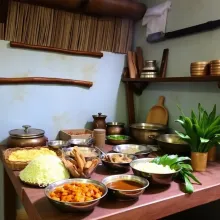
The kitchen is undoubtedly the heart of any home, and in Kerala, it’s more than just a cooking space; it’s a place for family gatherings, cultural rituals, and a stronghold of tradition. However, over time, the concept of kitchen design has evolved. Today, there’s a growing trend toward modular kitchens, which offer efficiency and modernity. But in Kerala, many homes still maintain the authenticity of traditional kitchen designs, reflecting the region's cultural and historical roots. Here’s a closer look at the Kerala Authentic Kitchen vs Modular Kitchen, comparing both from different angles: functionality, design, and cultural relevance.
1. Design and Layout
Kerala Authentic Kitchen:
Traditional Kerala kitchens are built to suit the regional lifestyle, where cooking is a communal activity. The design often revolves around practicality and open space:Central Cooking Space: The traditional Kerala kitchen, known as the “Chuttu chatti”, typically features a central cooking area, where an open hearth or clay stove (chulha) is used for cooking.
Ample Space for Work: These kitchens are usually spacious, with room for multiple people to work together. The floors are made of terracotta or cement, which are cool and easy to clean.
Separate Storage: Traditional kitchens often have separate storage areas like shelves or wooden cabinets for spices, grains, and utensils.
Pooja Corner: In many Kerala kitchens, there’s a designated corner for offering prayers before cooking, with a small brass lamp or idols, reflecting the region's cultural rituals.
Modular Kitchen:
Modular kitchens, in contrast, are designed for convenience and efficiency. These kitchens are characterized by standardized units that are pre-made and assembled on-site.Compact and Efficient: Modular kitchens focus on maximizing space in smaller areas, making them ideal for apartments or urban homes. They come with pre-fitted cabinetry for storage, countertops, and appliances.
Customization: Modular designs allow homeowners to pick finishes, materials, and layouts that suit modern tastes. You can have sleek stainless steel finishes, granite countertops, and high-tech appliances.
Functionality: The modular kitchen design is typically ergonomically efficient, with sections like a work triangle (sink, stove, fridge) to enhance workflow.
2. Materials and Durability
Kerala Authentic Kitchen:
Natural Materials: Kerala kitchens often feature wooden shelves, stone counters, and earthen pots for cooking. The emphasis is on sustainable, locally sourced materials.
Cooling: The use of terracotta tiles or stone flooring is common to keep the space cool, which is important in Kerala's hot and humid climate.
Longevity: Authentic kitchens are often built to last for generations, but they require regular maintenance, especially wooden cabinets and clay stoves, which can be prone to wear and tear.
Modular Kitchen:
Modern Materials: Modular kitchens use engineered wood, plywood, stainless steel, and high-quality laminate for durability and ease of maintenance.
Ease of Cleaning: Materials like granite countertops and ceramic tiles are easy to clean and maintain, reducing the chances of wear and tear over time.
Durability: Modular kitchens are designed to be long-lasting with minimal upkeep, though they may not carry the same sentimental value as traditional kitchens.
3. Functionality and Space Efficiency
Kerala Authentic Kitchen:
Large Spaces for Multiple Functions: The traditional Kerala kitchen is designed to cater to large families, often with space for communal activities. This means the kitchen layout is typically spacious but might lack the space-saving features of modern designs.
Open Fire Cooking: In authentic kitchens, cooking methods often include wood-burning stoves or open fire, which requires ventilation. It can make the kitchen more labor-intensive but adds a unique flavor to Kerala's culinary traditions.
Modular Kitchen:
Space-Saving: Modular kitchens are known for their space-efficient designs, with cabinets, drawers, and organizers to optimize storage. Every inch of the kitchen is utilized to its fullest potential.
Convenience: Modular kitchens are designed for ease of use, with modern cooking appliances like built-in ovens, microwaves, and induction stoves. They offer seamless integration of technology for faster cooking.
4. Cultural Relevance
Kerala Authentic Kitchen:
Cultural Connection: The traditional Kerala kitchen is deeply embedded in the region’s culture, where cooking is often a communal and ritualistic activity. Family bonding happens over preparing food together, making it not just a place to cook but a space to connect.
Spirituality: Offering prayers and maintaining a clean and sacred space is an essential aspect of the kitchen's cultural significance.
Modular Kitchen:
Modern Living: The modular kitchen aligns more with modern, urban living. While it may not have the same cultural significance as the traditional Kerala kitchen, it offers convenience and efficiency, ideal for smaller, fast-paced living spaces.
Conclusion
Both the Kerala authentic kitchen and modular kitchen offer distinct advantages. The traditional Kerala kitchen reflects the region’s deep cultural and spiritual roots, providing a warm, communal cooking space with a focus on sustainable, natural materials. On the other hand, the modular kitchen brings convenience, efficiency, and space-saving solutions to modern homes. Whether you choose a traditional or modular kitchen depends on your lifestyle, the available space, and your personal preferences.
For those who value cultural authenticity and have the space for it, the Kerala authentic kitchen offers a connection to the past. However, for those seeking modern-day convenience, a modular kitchen is the perfect solution to ensure practicality without compromising on style.